Topic outline

  • ECONOMY -Welcome message-


    Dear students, we have already strated the second semester

    On this occasion I wish success for everyone.
    Microeconomics - Overview, Assumptions, Theories


    Teacher in charge
    Dr. TLILANI F. ZAHRA
    Department of Business and Administration Management
    Institute of Technology, University of Oum El Bouaghi
    Contact:
    e-mail: fatimazahra.tlilani@univ-oeb.dz
     
    Good Luck

  • MicroEconomics Target Category + Objectives of the module

    hh


    5 Reasons to Integrate Goal-Setting in Healthcare Education


    h

    Micro-Economics 
     
    Number of weekly lectures: 1


        Number of weekly tutorials : 1 for each group


       Coefficients: 3


    • Economic Actors

      In the end  of this lesson, students will be able to:

      • make the deffirence between the differents actors of the economy

      •  Highlight the relationship between each other

       The Macroeconomy Economic Agents The Circular Flow of Income Demand and  Supply Model Revisited. - ppt download

      Economic actors refer to the participants in economic activities in an economy. They use productive resources and interact with each other with their respective motives and compensation, involving the flow of goods and income. Synonym market participants are economic agents.

      We group economic actors into the following three categories:


    •  Economic Growth | What is Economic Growth? - FincashJ

      Economic growth refers to an increase in the size of a country's economy over a period of time. The size of an economy is typically measured by the total production of goods and services in the economy, which is called gross domestic product (GDP).


      EXAMPLE

      Suppose that in year 1, the volume of apples produced was 100kg and the price of apples was $2 per kg, so the total value of production was $200 (100 x $2). In year 2, 104kg of apples were produced and the price was $2.05 per kg, so the total value of production was $213.20 (104 x $2.05).


      In this example, nominal GDP growth (6.6 per cent) is more than real GDP growth (4 per cent) because it includes the increase in prices over the period. (The sum of the growth rates of real GDP and prices is close to, but not exactly equal to, the growth rate of nominal GDP.)


      What is Economic Development?

      JH


    • Market Equilibrium

      In this section we will present market equilibrium and the most prominent interaction mechanisms.


      After studying these lectures, the student will be able to:

      - Identify supply and demand mechanisms.

      - How the market is balanced


    • price component


      After studying this chapter, the student will be able to:
      - Distinguish between different types of prices
      - Know how to form a price
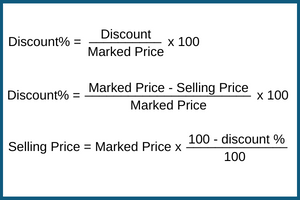
      - Determine the price of a project

      Price Increases & Why You Should Tell Your Customers

    • TD Topics......Economic Blocs


      In this unit, after reviewing the lessons and activities, the student will be able to:

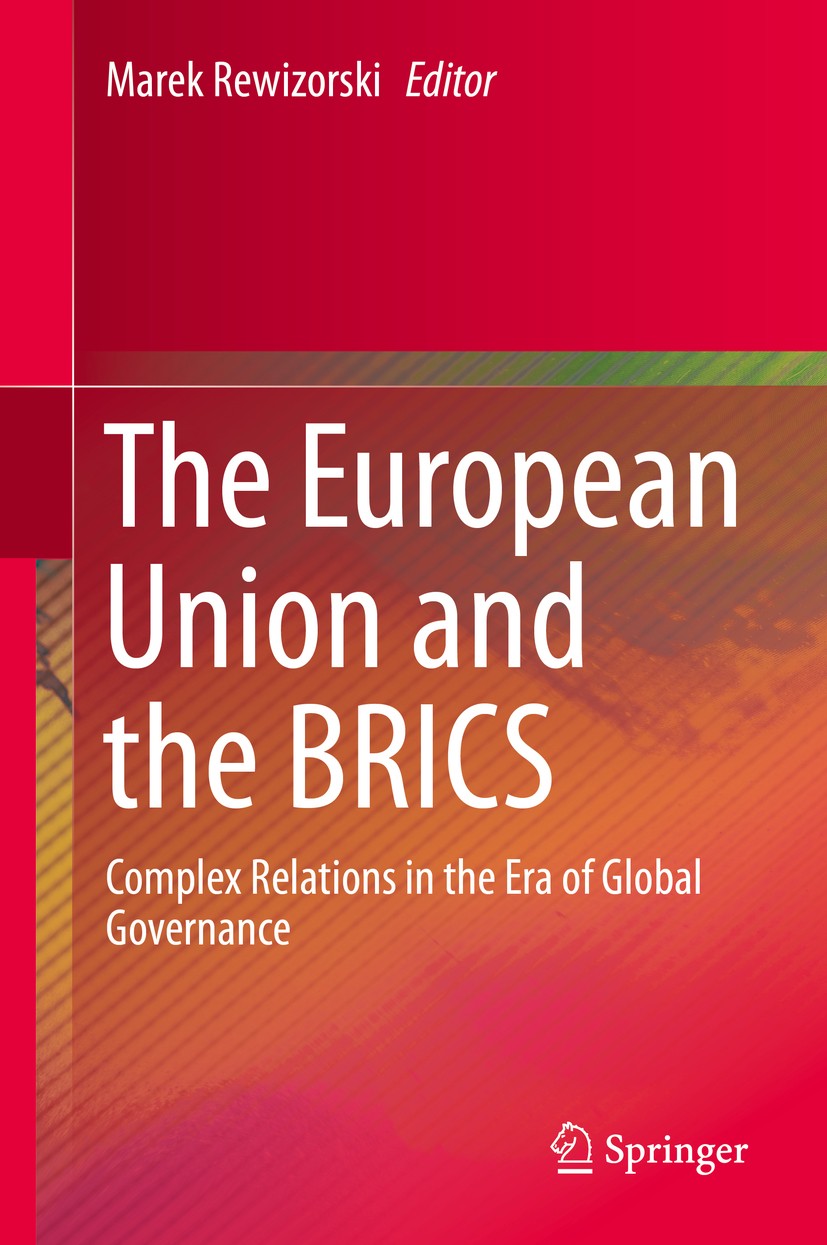
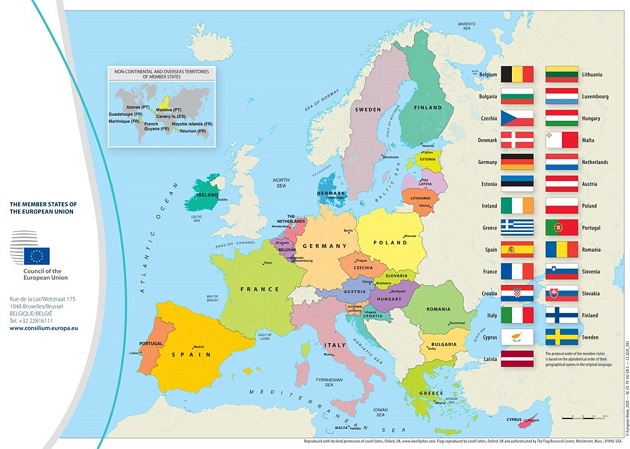
       - Identify economic blocs and integrations.


       - The most prominent and famous blocs on the global economic level and how they interact with each other.


       - The extent of the impact of these blocs on economic data


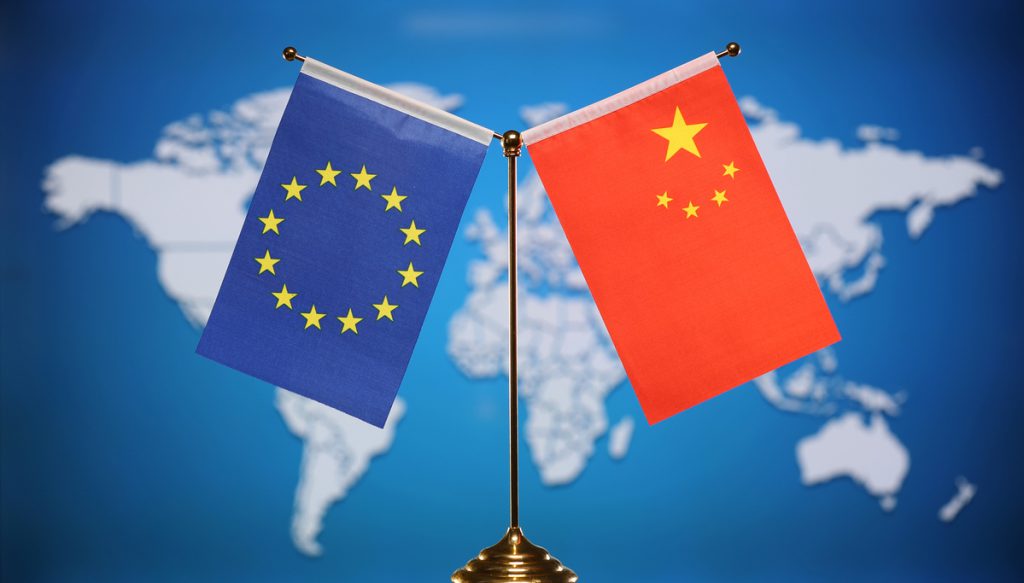
      BRICS: China Warns of Trade War With European Union


    • References

      This unit includes a list of references in the field of economics through which the student's knowledge can be enriched in topics and analyses related to economics.

      5 people who should never be shown as reference during job interviews |  TJinsite

      References
      - DDA, J. The Globalization of the Economy. 8th ed. Paris: La Découverte, 2012. 
      - Alternatives économiques, special issue, 2013, n°97, 3rd quarter.
      - Alternatives économiques, special issue: The Sustainable Economy, 2009, n°83. 
      - BOUZIDI, N. Economic Globalization: A New Articulation Between the National and the International. Algerian Review of Legal, Economic and Political Sciences, 2010.
       - BOUZIDI, N. The Problem of Local Development in Algeria: The State-Local Authorities Relationship. Idara Review, 2003, n°26.
      - CLERC, D. North-South an Inevitable Gap? Deciphering the Economy. Paris: La Découverte, 2011.
       - CLERC, D. Towards Sustainable Development? Deciphering the Economy. Paris: La Découverte, 2011.
       - COULOMB, F.; LONGATTE, J.; VANHOVE, P. Economy. 5th ed. Paris: Dunod, 2015. - DELEAGE, J. P. Sustainable Development? In: The Major Economic and Social Issues. Edited by COMBEMALE, P. Paris: La Découverte, 2013.